
How DUI Breath Test Refusals Are Still Beaten in Municipal Courts
Sept. 28, 2026
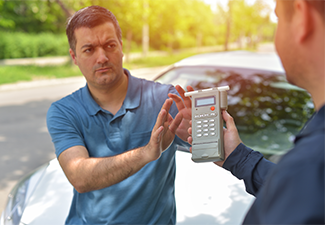 Getting pulled over and asked to take a breath test is a frightening experience, even for people who've never had a brush with the law before.
At Perrotta, Fraser & Forrester, LLC, we've watched clients walk into our office believing their case was already lost simply because they said "no" to a breathalyzer. What they don't realize is that refusal cases come with their own set of rules, procedures, and potential defenses that skilled DUI/DWI attorneys know how to use.
Municipal court prosecutors rely on the assumption that a refusal automatically proves guilt, but that assumption doesn't hold up when the arresting officer's conduct, the wording of the warnings given, or the timing of events gets examined closely.
Located in Clark, New Jersey, we serve clients throughout Union County, along with Elizabeth, Jersey City, Edison, and Woodbridge, and we've seen firsthand how these cases can turn in a client's favor. If you're facing a refusal charge, contact us to talk through what happened and discuss your options.
Why Breath Test Refusals Still Lead to Court Battles
A lot of people assume that refusing a breath test means a conviction, but that's not how New Jersey law actually works. Refusal charges carry their own burden of proof, and prosecutors still have to show that the officer followed every required step before, during, and after the arrest. DUI/DWI attorneys know that even small missteps in that process can open the door to a strong defense.
Municipal courts see a high volume of these cases, and it's easy for shortcuts to happen. Officers might skip a required warning, mishandle paperwork, or fail to give clear instructions about what refusal actually means. Each of these gaps creates an opportunity to challenge the charge, which is why so many refusal cases don't end the way clients initially fear.
How Refusal Charges Differ From DUI Charges
Refusal charges are treated separately from standard DUI charges, and that distinction matters more than most people realize. A DUI charge typically rests on chemical test results or observed impairment, while a refusal charge hinges almost entirely on procedure.
Did the officer read the standard statement correctly? Was it read in a language and manner the driver could understand? Did the driver's response actually amount to a refusal, or was it a moment of confusion?
DUI/DWI attorneys build refusal defenses around these procedural questions rather than around blood alcohol numbers. That shift in focus is exactly why refusal cases can be beaten even when a DUI charge involving test results might be harder to fight. Every detail of the stop, from the initial reason for the pull-over to the exact words used by the officer, becomes part of the analysis.
Common Defense Strategies That Beat Refusal Charges
When a refusal charge lands in municipal court, there are several established approaches that DUI/DWI attorneys use to challenge the prosecution's case. These strategies focus on picking apart the procedural requirements the state has to satisfy, and they often reveal weaknesses that aren't obvious at first glance.
Challenging the traffic stop itself: If the officer didn't have a legitimate reason to pull you over, everything that followed, including the refusal, can be called into question.
Questioning the standard statement: Officers are required to read a specific statement explaining the consequences of refusal, and if it wasn't read properly or completely, the charge can be challenged.
Examining language barriers: If you weren't fluent in English or the statement wasn't communicated clearly, that can affect whether your response truly counted as a refusal.
Reviewing medical conditions: Breathing issues, anxiety, or other medical factors can explain behavior that an officer mistakenly logged as a refusal.
Scrutinizing officer testimony: Inconsistent reports or conflicting body camera footage can undercut the state's version of events.
These strategies don't work in every case, but they show just how much room there is to fight a refusal charge before assuming the worst. A careful review of the arrest, paired with the right defense angle, often changes the outcome entirely.
Mistakes That Can Weaken a Refusal Case
While there are strong defenses available, certain missteps after an arrest can make a refusal case harder to win. Being aware of these pitfalls early on gives DUI/DWI attorneys more to work with and protects you from unintentionally hurting your own case.
Talking to police without guidance: Volunteering extra details or trying to explain yourself can create statements that get used against you later.
Missing court dates or deadlines: Municipal courts move fast, and missing a deadline can limit the defenses available to you.
Assuming the case is unwinnable: Giving up before consulting an attorney means losing out on strategies that could genuinely change the result.
Posting about the arrest online: Social media posts can end up as evidence, even when they seem harmless.
Avoiding these mistakes keeps your options open and gives your defense the strongest possible footing. Small choices made in the days after an arrest often end up mattering just as much as the arrest itself.
Find a Compassionate Approach From DUI/DWI Attorneys Who Understand
Facing a refusal charge can feel isolating, especially when it seems like everyone around you assumes guilt before the facts even come out. At Perrotta, Fraser & Forrester, LLC, our attorneys treat every client with the patience and care this situation calls for, because we know a charge like this can affect your job, your family, and your peace of mind.
Our experienced DUI/DWI attorneys have spent years learning how municipal courts operate and how refusal charges get built and broken down. Reach out to us today for a conversation about your case and what comes next.